

East Maui
From the taro fields and dramatic coastline of Keʻanae to the rainforest of Nāhiku, the community of Hāna, the waterfalls and cultural landscapes of Kīpahulu, and the open ranch country of Kaupō, East Maui offers the island's most remote and deeply place-connected way of life.
What Defines East Maui?
East Maui is Maui's most remote inhabited region, and the experience changes significantly from one district to the next. Living here means choosing distance, nature, community, and self-reliance over convenience.
The East Maui lifestyle is shaped by long distances from Central Maui, the winding Hāna Highway, one-lane bridges, and heavy rainfall. It is a place of deep cultural continuity, agriculture, taro farming, ranching, and fishing.
There is limited commercial development, relying instead on small local businesses, self-reliance, and strong community relationships. The district progression is distinct:
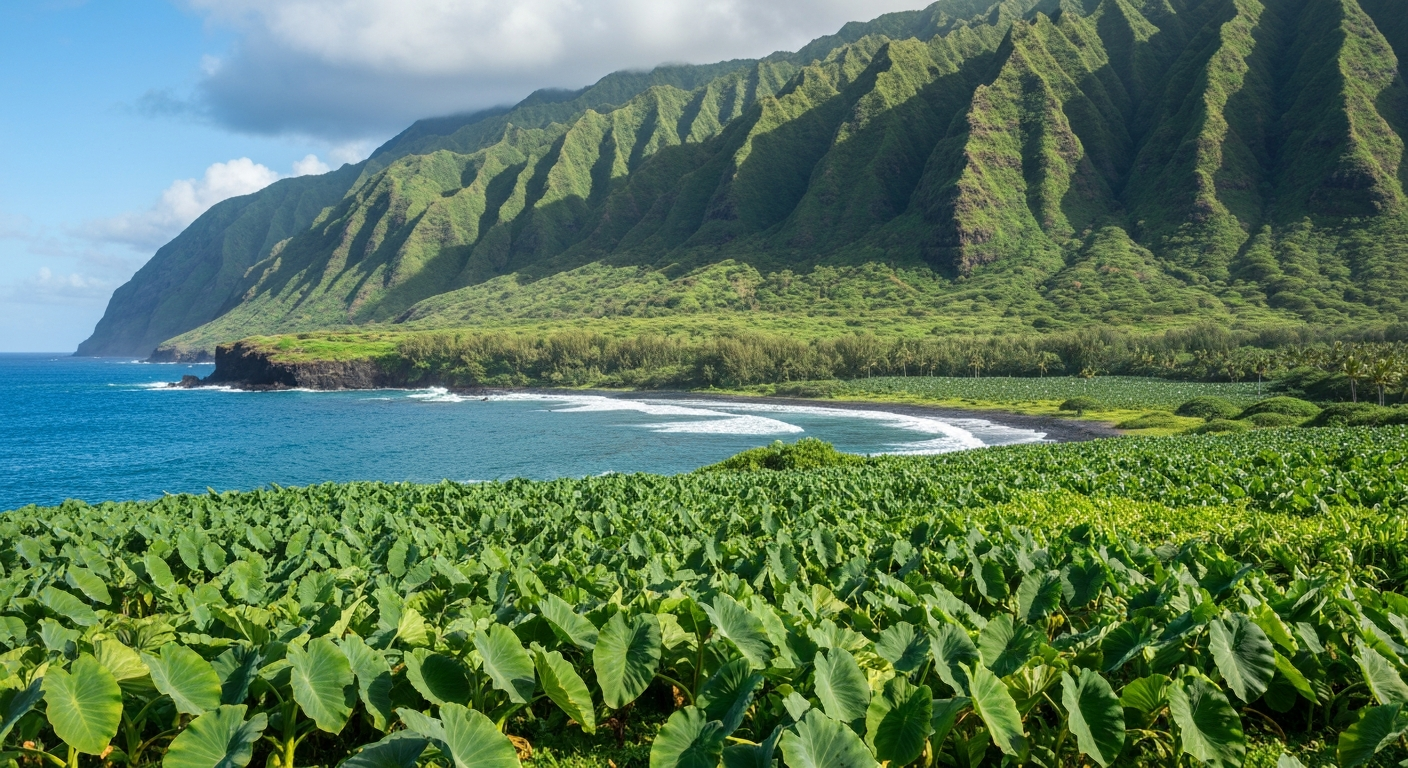
- Keʻanae: Taro country, dramatic coastline, and historic agriculture.
- Nāhiku: Rainforest, heavy rainfall, deep greenery, and privacy.
- Hāna: The region's civic, educational, healthcare, and commercial center.
- Kīpahulu: Remote coastal living near Haleakalā National Park and waterfalls.
- Kaupō: Dryer, open ranch country with rugged roads and extreme privacy.

Explore the Districts
Discover the five distinct areas that make up East Maui, from lush rainforests to open ranch lands.

Keʻanae
Culturally significant community set between steep green mountains and dramatic lava coastline, closely associated with taro cultivation and fishing.

Nāhiku
One of Maui's lushest and most private districts. Heavy rainfall supports dense vegetation, tropical fruit, streams, and dramatic natural beauty.
Hāna
East Maui's primary community center providing schools, healthcare, and local businesses while maintaining a distinctly rural identity.

Kīpahulu
A remote landscape of farms, cultural sites, waterfalls, sea cliffs, and broad ocean views near Haleakalā National Park.
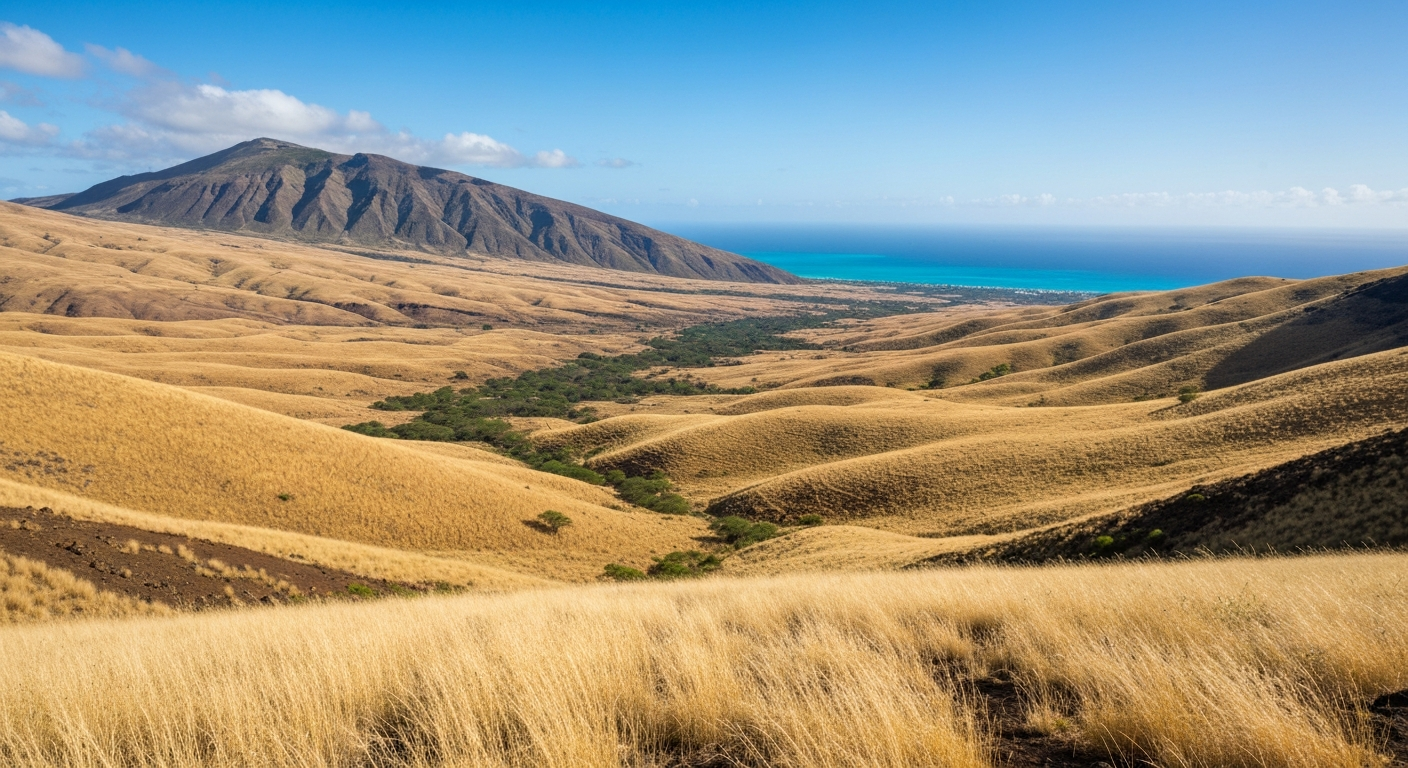
Kaupō
East Maui's dry, open, ranch-country district with wide landscapes, limited development, and dramatic mountain-to-ocean views.
The East Maui Lifestyle
Community Life
Knowing neighbors, mutual support, school events, local markets, and a deep respect for multigenerational families. Relationships matter here above all else.
Agriculture
Taro, tropical fruit, breadfruit, flowers, cattle, and small farms. Subsistence practices and farm stands are central to daily living.
Ocean Life
Fishing, diving, paddling, and surfing. The ocean commands respect with strong currents, changing conditions, and reef hazards.
Outdoor Life
Hiking, waterfalls, the national park, coastal trails, camping, and stargazing. The natural environment is your backyard.
Family Life
Hāna School, community sports, beaches, and strong outdoor routines. Long-distance travel requires careful transportation planning.
Creative & Independent
Artists, craftspeople, farmers, musicians, remote workers, and self-employed residents seeking a slower, self-reliant life.
Weather & Microclimates
East Maui includes some of Maui's wettest rainforest environments and some of its driest ranch country.
Keʻanae
Wet and trade-wind influenced, frequent passing showers, coastal exposure, productive agricultural conditions, and flash-flood awareness.
Nāhiku
Extremely lush, heavy rainfall, dense vegetation, humidity, mold pressure, mud, and incredible tropical growing potential.
Hāna
Warm, humid, frequent showers, mix of sun, cloud, and rain. Coastal winds with differences between town, upland, and coastal pockets.
Kīpahulu
Warm and humid near the coast with strong rainfall variability. Stream and flash-flood hazards with exposure to coastal wind.
Kaupō
Significantly drier, windier, more exposed ranch-country conditions. Fire considerations, less surface water, and greater sun exposure.

Remote Living Is the Lifestyle
The Road to Hāna is not a normal commute. Travel times depend on traffic, weather, bridge work, fallen trees, and visitor congestion. Major shopping is in Central Maui, meaning Costco and large supply runs require careful planning.
- Specialty healthcare often requires travel.
- Contractors and repair professionals may charge travel time.
- Emergency response is different from more populated areas.
- Internet, cellular reliability, and power stability vary greatly.
Residents maintain backup supplies, plan their fuel, and understand that weather can interrupt access at any time.
Hāna As East Maui's Community Center
Hāna is small but serves as the practical center for a much larger rural region extending from Keʻanae through Kaupō. It is home to Hāna School, healthcare resources, the airport, local stores, gas, the post office, and community parks.
The Honest Reality
While Hāna provides essential services, choices are limited. Hours can be irregular, supplies may sell out, and residents often plan trips into Central Maui. Not all mainland or resort conveniences are available—and for many who live here, that is exactly the point.
Meaningful Experiences
Focus on meaningful experiences and respectful participation rather than a checklist of stops.
Keʻanae Peninsula
Scenic coastline, historic church, and strong waves. No casual swimming assumptions; respect residents and private property.
Hāna Bay
Community setting, beach park, historic harbor, and local paddling. Verify current facilities and conditions.
Waiʻānapanapa State Park
Black-sand setting requiring reservations. Cultural significance, rough water safety, and respect for restricted areas.
Hamoa Beach
Scenic beach with strong shorebreak on certain days. Limited parking requires neighborhood respect.
Haleakalā National Park (Kīpahulu)
Pīpīwai Trail, ʻOheʻo Gulch viewing. Flash-flood hazards and current restrictions on swimming apply.
Kaupō Landscapes
Scenic ranch country and remote roads. Respect private land, verify road conditions, and practice self-sufficiency.
The Road Is Part of the Community
Essential etiquette for visitors and future residents.
- Pull over safely for faster local traffic.
- Never stop in the travel lane or block bridges.
- Do not park in driveways or enter private property.
- Support local businesses respectfully.
- Do not swim in streams during or after heavy rain.
- Do not assume waterfalls are public.
- Allow residents to reach work, school, and medical care.
- Check road conditions before leaving.
East Maui Real Estate
Buying in East Maui involves due diligence far beyond a typical residential purchase. The inventory is very limited, ranging from rural single-family homes and agricultural acreage to luxury estates and off-grid parcels.
Critical Due Diligence
- • Legal access & easements
- • Water source (catchment/wells)
- • Septic / Cesspools
- • Flood zones & stream setbacks
- • Mold, moisture & termites
- • Internet & cell service
- • Emergency access
- • Vacation-rental legality
*Always consult with qualified local professionals for legal, engineering, tax, or land-use advice.
Single-Family & Estate
Featured Neighborhoods
Hāna
The region's primary community center. Remote coastal living with a deep sense of place, history, and community.
Explore HānaKeʻanae
Dramatic coastline and historic taro fields. A culturally significant district offering extreme privacy and natural beauty.
Explore KeʻanaeNāhiku
Deep rainforest seclusion. Lush acreage, tropical fruit, and a lifestyle defined by nature and rainfall.
Explore NāhikuHomes for Sale
Currently active residential listings in East Maui.
Recently Sold Homes
Residential sales closed in East Maui over the past 12 months.
Residential Market Statistics
Single-family home market data for the East Maui area — last 12 months.
Compare the Districts
| Feature | Keʻanae | Nāhiku | Hāna | Kīpahulu | Kaupō |
|---|---|---|---|---|---|
| Lifestyle Feel | Agricultural, Historic | Rainforest, Private | Community, Coastal | Remote, Cultural | Ranch, Solitude |
| Relative Rainfall | High | Very High | Moderate/High | Variable | Low |
| Community Services | Minimal | Minimal | High (for region) | Minimal | None |
| Road Access | Highway/Local | Narrow/Private | Highway/Town | Remote Highway | Rugged/Unpaved |
| Best For | Taro/Ag Buyers | Privacy Seekers | Families/Full-time | Nature/Ag Buyers | Ranch/Extreme Privacy |
What People Get Wrong
East Maui is not just the Road to Hāna; it's a community.
Remote living is not automatically simple living.
Rainforest acreage requires constant maintenance.
Beautiful streams can be dangerous during heavy rain.
Water access and utilities are not guaranteed.
Kaupō is dry and rugged, not lush like Nāhiku.
Agricultural land does not mean any use is automatically allowed.
Vacation-rental rights must never be assumed.
Real Maui Life Local Notes
- Let local traffic pass and fill your gas tank before heading east.
- Walk rural properties after rain to inspect drainage before views.
- Ask detailed questions about water and legal access early.
- Test cellular and internet service on the exact property.
- Know where the nearest healthcare and fire response are.
- Never enter streams during flash-flood conditions.
- Support local businesses respectfully.
- Learn the community before expecting the community to adapt to you.
Frequently Asked Questions
FIND YOUR PLACE IN EAST MAUI
East Maui can mean taro fields in Keʻanae, rainforest privacy in Nāhiku, community life in Hāna, remote coastal land in Kīpahulu, or open ranch-country solitude in Kaupō. Real Maui Life can help you understand the realities, responsibilities, and rewards before you decide whether East Maui fits the way you want to live.