Posted in: Resort Lifestyle, Investment Lifestyle, Second Home, Real Estate Guidance
Buying a Resort Property on Maui: What Every Buyer Should Know

Purchasing a resort property on Maui is an exciting milestone, but it requires a different level of due diligence than buying a traditional single-family home. From understanding complex zoning laws to evaluating HOA health, buyers must look beyond the ocean view to ensure their investment aligns with their lifestyle and financial goals.
How Resort Ownership Works
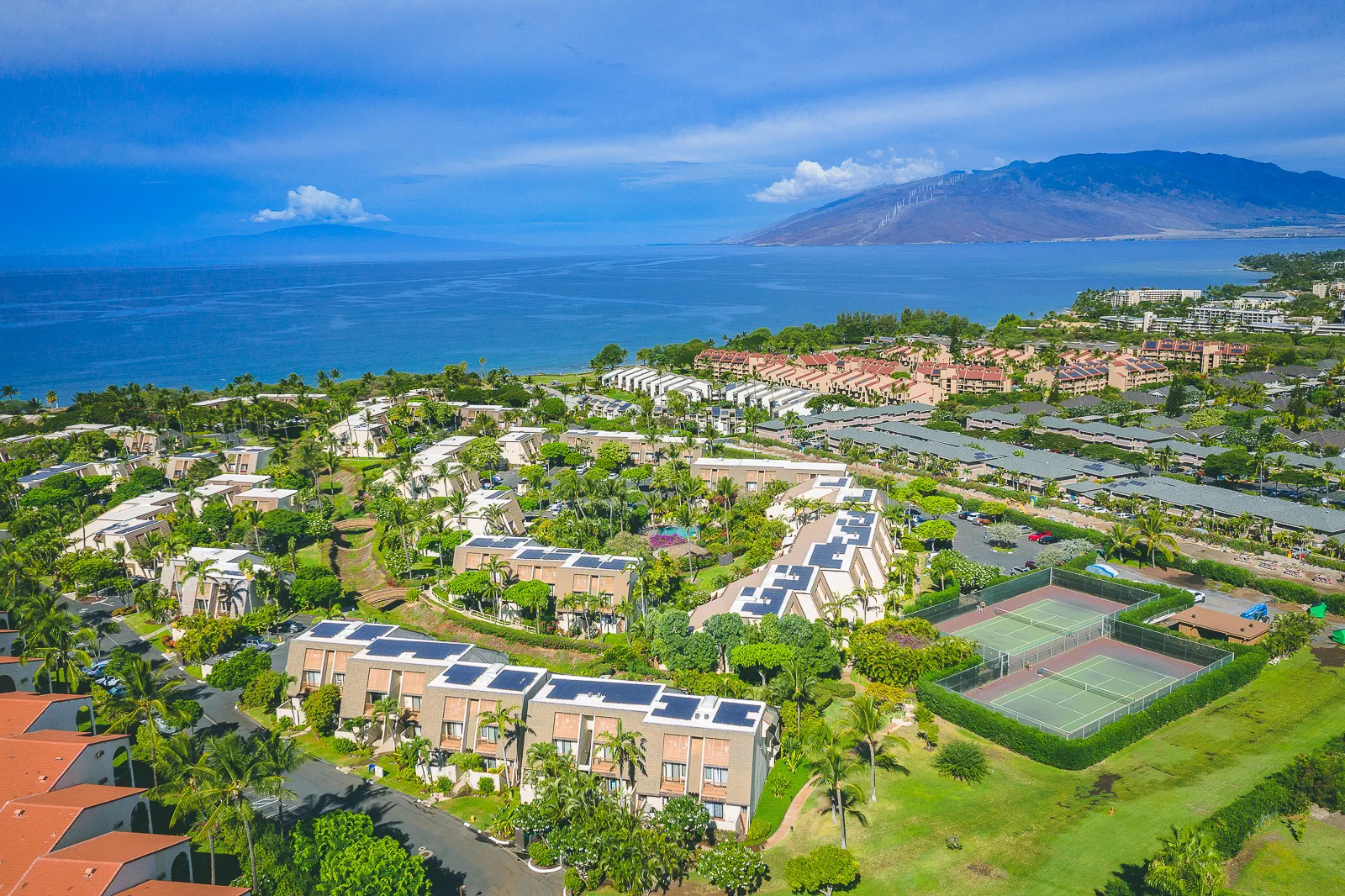
Most resort properties on Maui are condominiums, meaning you own your specific unit and a fractional share of the common elements (pools, grounds, exterior structures). This structure provides the ultimate lock-and-leave convenience, as the Homeowners Association (HOA) handles exterior maintenance, landscaping, and security.
Navigating Vacation Rental Regulations
If you intend to generate income by renting your property short-term (less than 180 days), you must understand Maui County's zoning laws. The regulatory landscape surrounding vacation rentals continues to evolve, making due diligence critical.
- Hotel-Zoned Properties: These properties are explicitly zoned for short-term rentals. They generally offer the most secure legal footing for vacation rental operations.
- Apartment-Zoned Properties: Historically, many apartment-zoned condos were allowed to operate as short-term rentals under the "Minatoya list." However, this status has been the subject of recent legislative debate and potential phase-outs.
Never assume a property can be legally rented short-term just because the current owner is doing it or because it is listed on a vacation rental website. Always verify current zoning, HOA rules, and county permits before purchasing.
Understanding the Financials: HOAs and Reserves
When buying into a resort, you are buying into a business. The financial health of the HOA is just as important as the condition of your unit.
- HOA Dues: Resort maintenance fees are typically high because they cover extensive amenities, master insurance policies, groundskeeping, and sometimes utilities like central AC or cable.
- Reserve Studies: A reserve study outlines the expected lifespan of major components (roofs, elevators, pools) and ensures the HOA is collecting enough money to replace them. A poorly funded reserve can lead to massive special assessments.
- Special Assessments: These are extra charges levied on owners when the reserve fund cannot cover a major repair. Always ask if any special assessments are currently planned or being discussed.
Property Management and Operations
If you are not living on Maui full-time, you will likely need a property manager. For vacation rentals, management fees typically range from 20% to 40% of gross revenue. They handle marketing, bookings, housekeeping, and emergency maintenance.
Even if you don't rent your property, hiring an estate manager to perform regular checks is highly recommended to prevent issues like undetected water leaks or mold.
Environmental and Physical Due Diligence
Maui's beautiful environment can be harsh on buildings. When evaluating a property, consider:
- Shoreline Exposure: Oceanfront buildings face intense salt air, leading to faster degradation of metal components, AC units, and concrete (spalling).
- Flood Zones and Sea Level Rise: Understand the property's elevation and proximity to the shoreline, as this impacts insurance costs and long-term viability.
- Building Age: Many of Maui's iconic resorts were built in the 1970s and 1980s. Older buildings may require plumbing retrofits or elevator modernizations.
Timeshare vs. Whole Ownership vs. Fractional
It is important to know exactly what you are buying:
- Whole Ownership: You own the deeded real estate outright 365 days a year.
- Fractional Ownership (Private Residence Clubs): You own a deeded share (e.g., 1/12th) guaranteeing you specific weeks of use per year, often with high-end club services.
- Timeshares: You buy the right to use a property for a specific period. These are generally not considered real estate investments and often come with complex exchange systems and resale limitations.
Questions Buyers Should Ask
- What is the exact legal zoning, and does the HOA explicitly allow short-term rentals?
- What is the percentage of funded reserves?
- Are there any pending lawsuits involving the AOAO (Association of Apartment Owners)?
- What exactly do the monthly maintenance fees cover?
- What are the historical occupancy rates and net incomes for similar units?
Frequently Asked Questions
What amenities come with resort ownership?
Depending on the complex, amenities can range from basic pools and BBQ areas to full concierge services, valet parking, fitness centers, spa access, and shuttle services.
Can you live full-time in a resort condo?
Yes, but you should review the HOA rules. Some hotel-zoned properties or branded residences have restrictions on full-time owner occupancy, though this is rare in standard fee-simple resort condos.
Luxury on Maui is personal. Whether you are drawn to oceanfront resort living, private acreage, golf communities, second-home ownership, or a quieter estate lifestyle, Real Maui Life can help you understand the options before you choose where to call home.

Mike Marshall
Local Maui expert and lifestyle guide. Helping you understand the island beyond the listings, so you can find the community that truly fits how you want to live.