Posted in: Upcountry Lifestyle, Maui Lifestyle, Local Guides, Kula, Makawao
Upcountry Maui Weather Guide: Kula, Makawao, Pukalani, Keokea, and Beyond

One of the biggest misconceptions about Maui is that the weather is the same everywhere. In Upcountry Maui, the weather changes dramatically based on elevation, exposure, and which side of Haleakalā you’re on. Understanding these microclimates is crucial for anyone considering living here.
The Microclimates of Upcountry
Pukalani: Warm and Practical
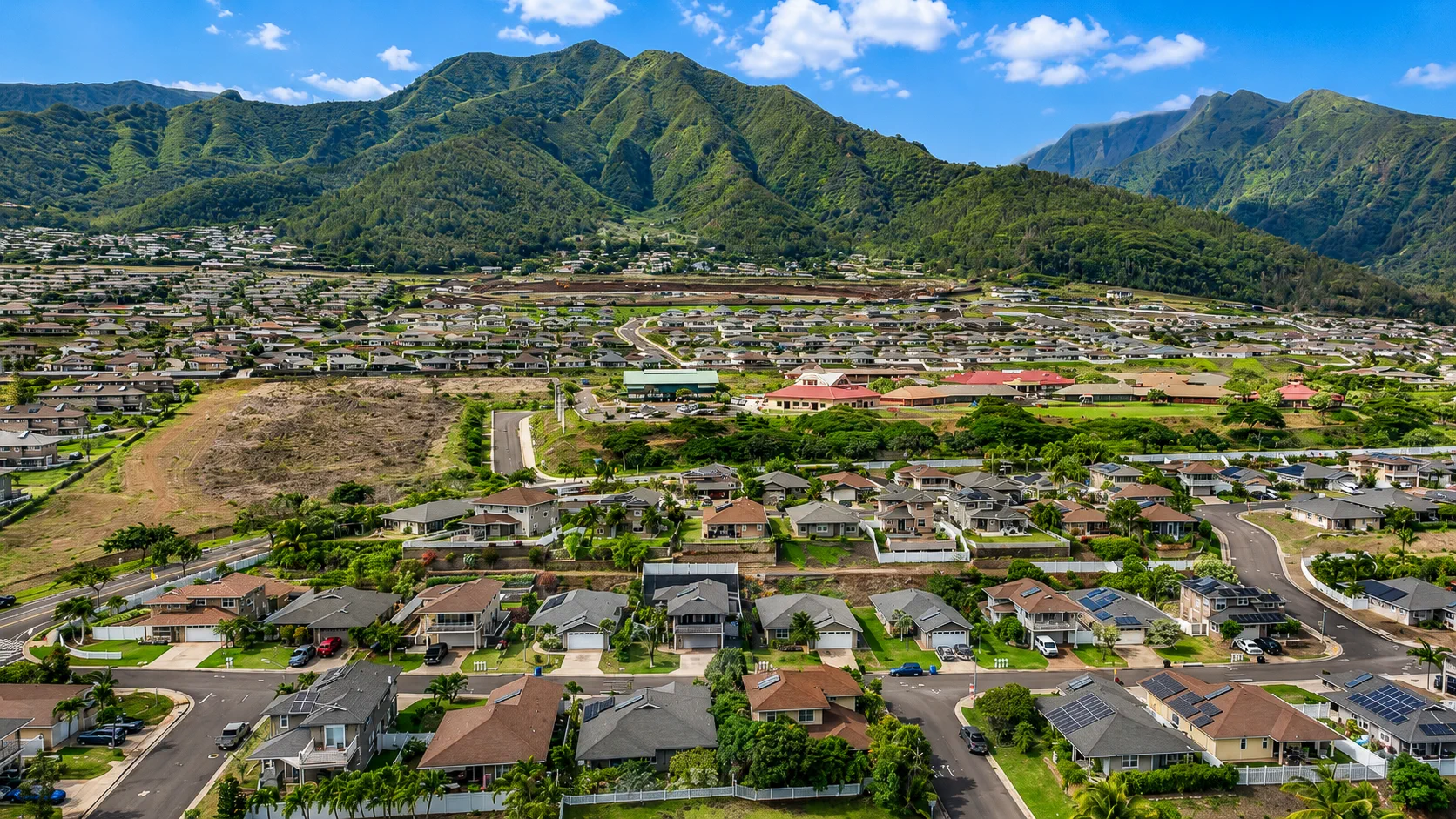
Pukalani is often warmer and drier than higher Kula or Olinda. It offers a more suburban, practical climate, making it a great middle ground for those who want Upcountry living without constant cold or mist.
Lower Kula: Moderate and Sunny
Lower Kula enjoys moderate temperatures, good growing conditions, sweeping views, and more sun depending on the specific exposure. It’s an ideal climate for gardening and outdoor living.
Upper Kula: Cool and Dramatic
As you move higher up the mountain, Upper Kula becomes cooler, windier in places, and misty at times. It offers excellent views and more dramatic temperature swings, with nights often requiring a heater or fireplace in the winter.
Makawao: Green and Variable
Makawao can be greener and wetter than Pukalani and many Kula pockets. It often experiences more cloud cover and moisture, contributing to its lush surroundings.
Olinda & Haiku Edge: Forested and Lush
Olinda is cool, forested, misty, quiet, and often damp. The Haiku edge (Kaupakalua) is lusher and wetter, influenced by North Shore weather patterns.
Keokea & Ulupalakua: Rural and Open
Keokea is cool, rural, and high elevation. Ulupalakua is often more open, ranch-like, and drier in places, with big skies and expansive views.
Weather Effects on Daily Life and Real Estate
Weather affects almost every aspect of Upcountry living:
- Gardening: Microclimates dictate what you can grow. Lower Kula is great for a wide variety of crops, while Upper Kula is better for cool-weather plants.
- Moisture and Mold: Wetter areas like Makawao and Olinda require vigilance against mold and mildew. Proper ventilation and dehumidifiers are often necessary.
- Heating and Cooling: Many Upcountry homes don’t need AC, but heating (fireplaces, space heaters) is common in Upper Kula and Olinda during winter.
- Solar Exposure: Cloud cover patterns affect solar panel efficiency. Pukalani and Lower Kula generally see more sun than Makawao or Olinda.
- Fire and Dryland Considerations: Drier areas require mindful landscaping and fire mitigation strategies.
Drive the same neighborhood in the morning, afternoon, and evening before deciding. Upcountry can feel completely different depending on cloud cover, wind, fog, and elevation. Morning sun often gives way to afternoon clouds.
Frequently Asked Questions
Is Kula cooler than the rest of Maui?
Yes, Kula’s elevation makes it significantly cooler than coastal towns. Winter nights in Upper Kula can drop into the 40s.
Is Makawao wetter than Kula?
Generally, yes. Makawao and Olinda tend to receive more rainfall and mist than lower Kula and Pukalani.
Do I need heating or AC Upcountry?
AC is rarely needed, but heating is common in higher elevations during the winter months.
Thinking about building your life around Upcountry Maui?
Real Maui Life can help you understand the communities, weather patterns, property types, and daily rhythms before you decide where to call home.

Mike Marshall
Local Maui expert and lifestyle guide. Helping you understand the island beyond the listings, so you can find the community that truly fits how you want to live.